
Understanding the psychology behind gambling in casinos why we play and how we lose
The Allure of Gambling
The psychology behind why we gamble is complex and multifaceted. One of the primary factors is the thrill of risk and the allure of potential reward. Gambling stimulates the brain’s reward system, triggering feelings of excitement and pleasure when a win occurs. This sensation can create a powerful urge to play again, as players seek to replicate those highs. The chance of winning big, however slim, keeps players returning to the casino floor or online platforms, lured by dreams of financial freedom or lavish lifestyles. For players looking to enhance their experience, checking out https://casoolabonuscode.com/ can provide valuable insights into bonuses available.
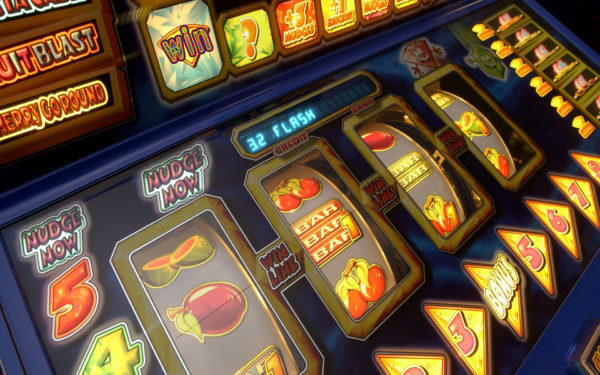
Moreover, the social aspects of gambling contribute significantly to its appeal. Many people view casinos as a social venue, where they can share experiences with friends or meet new people. The atmosphere is designed to be engaging, often filled with music, lights, and the buzz of excitement from fellow players. This social reinforcement can amplify the enjoyment of gambling, turning a solitary activity into a community experience. This sense of belonging can further entrench players in the habit of gambling.
Additionally, factors such as marketing strategies and psychological triggers play a significant role in drawing players in. Casinos invest heavily in creating an enticing environment that encourages prolonged play. Promotional offers, such as bonuses or free spins, are cleverly designed to evoke a sense of urgency and excitement, making it hard for players to resist. Understanding these psychological manipulations can aid players in recognizing their motivations and making more informed decisions about their gambling habits.
The Mechanics of Loss
While the thrill of gambling often overshadows the reality of losses, understanding the mechanics behind these losses is crucial. Gamblers frequently experience a phenomenon known as “loss aversion,” which refers to the tendency to feel the pain of losses more acutely than the joy of equivalent gains. This psychological quirk can lead to chasing losses—players continue to gamble in hopes of winning back lost money, often leading to even greater losses. This cycle of chasing losses can entrap individuals, making it difficult for them to break free from gambling.
The concept of the “gambler’s fallacy” also plays a significant role in the psychology of losing. Many players believe that past outcomes can influence future ones, thinking, for example, that a slot machine is due for a win after a series of losses. This faulty reasoning can lead players to gamble more than they intended, falling deeper into the trap of gambling addiction. Educating oneself about these cognitive biases can be a vital step in mitigating their effects.
Moreover, the design of casino games often maximizes the potential for losses. Many games, such as slot machines, are engineered to give players the illusion of control, with features like near misses that encourage continued play. The intermittent reinforcement schedule—the randomness of wins—creates a cycle of hope that compels players to keep trying. Understanding how these elements work can empower gamblers to approach gaming more critically and responsibly.
The Role of Emotions in Gambling
Emotions significantly influence gambling behavior, often leading to irrational decisions. When individuals experience negative emotions—stress, boredom, or anxiety—they may turn to gambling as a form of escapism. This can lead to compulsive gambling behavior as they seek solace in the activity. Understanding this connection between emotional states and gambling can help individuals recognize triggers that might lead them to gamble more than they should.
Conversely, positive emotions can also play a role in reinforcing gambling behavior. The excitement of a win can trigger a rush of endorphins, creating a pleasurable experience that players want to relive. This cycle of highs and lows can blur the line between healthy gaming and problematic gambling. Recognizing these emotional patterns can lead to healthier coping mechanisms and more responsible gambling practices.
Moreover, the social context of gambling often amplifies emotional responses. Celebrating a win with friends can enhance the joy of the experience, while losing in a crowded casino can magnify feelings of shame or frustration. This social feedback loop can keep players engaged, as they navigate the complex emotional landscape of wins and losses. Being mindful of these emotional influences can help gamblers make more rational decisions and recognize when their emotions are driving their behavior.
Strategies for Responsible Gambling
Responsible gambling begins with self-awareness and a solid understanding of one’s limits. Setting budgets and adhering to them is crucial in preventing excessive losses. Players should establish clear boundaries regarding how much they are willing to spend and time limits on their gambling sessions. This practice can help maintain a healthy balance, ensuring that gambling remains a form of entertainment rather than a financial burden.
Additionally, utilizing tools such as self-exclusion programs can provide an additional layer of protection. Many online casinos and gaming platforms offer options that allow players to take breaks or exclude themselves from gambling activities for a set period. These tools can serve as critical safeguards for individuals who recognize that they may be losing control. Taking advantage of these resources demonstrates a commitment to responsible gaming and personal well-being.
Education about the risks and realities of gambling is also a crucial strategy for responsible gambling. By understanding the odds and the nature of games, players can make more informed choices. Resources are available to help gamblers educate themselves about responsible practices and the psychological aspects of gambling. This awareness can empower individuals to enjoy gambling responsibly, maximizing entertainment while minimizing the risks of addiction.

Casoola Casino and Responsible Gaming
Casoola Casino is dedicated to promoting a safe and enjoyable gaming experience for its users. The platform emphasizes responsible gaming practices, providing players with a range of tools to manage their gambling activities effectively. By prioritizing player safety and well-being, Casoola Casino ensures that its gaming environment remains secure and enjoyable for everyone.
The casino offers a comprehensive support system, including resources for responsible gambling, and encourages users to take advantage of self-exclusion options and spending limits. This commitment to player safety reflects a broader industry trend toward enhancing responsible gaming measures. By focusing on education and awareness, Casoola Casino aims to foster a community of responsible gamblers.
Ultimately, understanding the psychology behind gambling is essential for players seeking to engage with it responsibly. By being aware of the emotional, psychological, and social factors at play, individuals can approach gambling in a way that maximizes enjoyment while minimizing risks. Casoola Casino stands as a model for this commitment to responsible gaming, empowering players to enjoy their experience while staying mindful of their habits.
